
Remember, attempting to detox from alcohol without medical supervision can be dangerous and potentially life-threatening. When you wish to stop shaking after drinking alcohol, it’s important how to stop alcohol shakes to assess the severity and duration of your symptoms. The severity of shaking can range from mild to intense, depending on factors like the level of alcohol consumed and individual differences in the body’s response to alcohol.
Contingency Management: Evidence-Based Addiction Therapy Using Positive Reinforcement
At Alamo Behavioral Health, we understand that the cost of rehab often discourages people from seeking help. That’s why our goal is to make rehab accessible through a variety of rehab insurance coverage plans we have on offer. We invite you to learn more about them and let our team help you find the right insurance option for you or your loved one.
Alcohol Shakes And Other Signs Of Alcohol Withdrawal
- This approach contrasts with cold turkey methods, which often exacerbate shakes and other withdrawal symptoms due to the body’s sudden shock.
- With proper treatment and time, most people see significant improvement in their symptoms as the brain heals and rebalances.
- Long-term alcohol abuse can lead to serious, sometimes life-threatening, medical, emotional, and social consequences.
- Alcohol withdrawal shakes, also known as tremors, are a common symptom of alcohol withdrawal syndrome.
- At Alamo Behavioral Health, we understand that the cost of rehab often discourages people from seeking help.
- The onset of detox shakes is typically within 6 to 48 hours after the last drink and can signal the presence of a more serious withdrawal complication known as delirium tremens (DTs).
Alcohol shakes usually last between 48 to 72 hours, though individual health and history of alcohol use can influence this duration significantly. Prolonged alcohol use disrupts the balance between GABA, an inhibitory neurotransmitter, and glutamate, an excitatory neurotransmitter. Alcohol increases GABA activity and suppresses glutamate, leading to a calming effect on the nervous system. marijuana addiction When excessive alcohol consumption stops, this balance is disrupted, causing hyperexcitability and resulting in tremors. BlueCrest Recovery Center takes a whole-person approach to treatment, considering not only a person’s physical needs but also their emotional, psychological, and spiritual needs.
How Many Xanax Can You Take In A Day For Anxiety?
He or she can guide you toward the safest, most comfortable, and most effective plan for your sobriety. Alcohol abuse affects your physical and mental health, so it’s important to be guided by someone who knows your medical history. Your doctor may personally oversee your alcohol withdrawal, or he or she may refer you to an inpatient or outpatient treatment facility.

As a trusted Georgia addiction treatment center, we are dedicated to serving our clients through various alcohol and drug addiction programs. We have a firm belief that it is possible for YOU to achieve and sustain long-term recovery. Alcohol shakes might indicate the potential onset of delirium tremens, underscoring the importance of medically supervised detoxification to ensure safety and appropriate care during withdrawal. The length of time alcohol shakes last can vary significantly from one individual to another, influenced by factors such as the severity of alcohol dependency. Even if not identified as an alcoholic, misuse of alcohol, even recreationally, can lead to shakes. Dr. Byron McQuirt leads works closely with our addictionologist, offering holistic, evidence-based mental health and addiction care while educating future professionals.
Integrative Healing: How Epigenetics and Holistic Therapy Can Transform Your Health and Recovery
For instance, if someone consumes 10 standard drinks daily, reducing intake by one drink every 2–3 days can create a manageable transition. This approach contrasts with cold turkey methods, which often exacerbate shakes and other withdrawal symptoms due to the body’s sudden shock. When experiencing alcohol shakes, it’s essential to seek professional help for a safe and effective recovery process. Medical professionals can offer the necessary supervision and support during alcohol withdrawal, which can be a difficult and potentially risky phase.
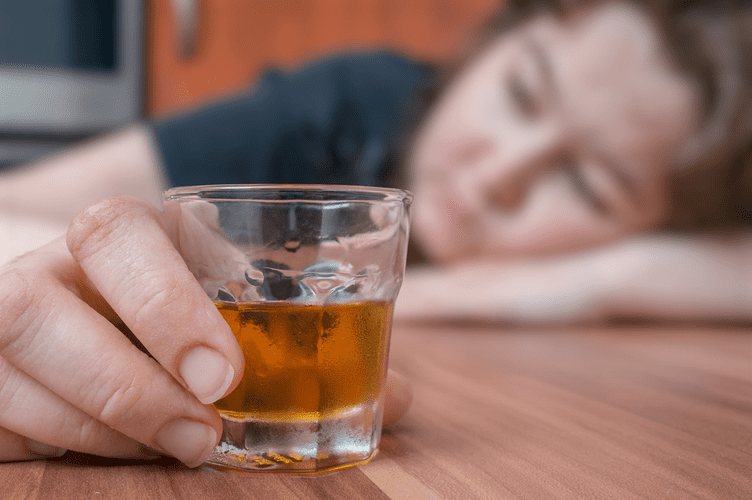
Alcohol withdrawal shakes, often a symptom of the body’s struggle to regain equilibrium after prolonged alcohol use, can be mitigated through targeted hydration and nutrition. Chronic alcohol consumption disrupts electrolyte balance and depletes essential nutrients, particularly vitamin B1 (thiamine), which are critical for nervous system function. Restoring these imbalances is not just beneficial—it’s essential for reducing tremors and preventing complications like Wernicke-Korsakoff syndrome. However, mild shakiness can occur after a night of heavy drinking due to dehydration, low blood sugar, or fatigue.
- Once the body is free of alcohol, an individual can begin addiction treatment.
- Our medical team uses proven methods to ease discomfort, reduce risks, and stabilize your body so that you can confidently begin recovery.
- Medical professionals often use benzodiazepines to manage alcohol withdrawal symptoms, including tremors.
- The more your physical and mental health improves, the less likely you are to experience tremors or other residual withdrawal symptoms, and the greater quality of life you will enjoy.
For those who have been drinking heavily or regularly, stopping suddenly can lead to various withdrawal symptoms, including tremors, anxiety, and physical discomfort. Alcohol withdrawal can lead to life-threatening complications in some cases, and it is advised to seek medical assistance to manage alcohol shakes safely. Alcohol shakes, also known as tremors, are a common symptom of alcohol withdrawal syndrome, which occurs when an individual with alcohol addiction or alcohol abuse stops drinking. These tremors and other withdrawal symptoms typically begin within a few hours after the last drink and are caused by an imbalance in the central nervous system. The severity of alcohol shakes can vary depending on factors such as the individual’s drinking history, genetics, and overall health. Minor shakes, or alcohol tremors, are among the most common symptoms experienced during the early stages of alcohol withdrawal.
Mental Health Inpatient
While not harmful on their own, alcohol shakes can be distressing and may indicate more serious symptoms to follow. They signal a significant change in the body’s response to the absence of alcohol. Alcohol shakes often occur during withdrawal or after heavy drinking, while essential tremor (ET) symptoms manifest during voluntary movements. Unlike essential tremor, which can be hereditary and usually begins around age 40 or 50, alcohol shakes are typically linked to alcohol consumption patterns.
If you’re seeking help for yourself or a loved one, our expert team is here to guide you every step of the way. Engaging in mindfulness practices, like meditation, yoga, and deep-breathing exercises, can help calm the nervous system and reduce stress. These techniques encourage relaxation and can significantly lessen the impact of alcohol shakes.